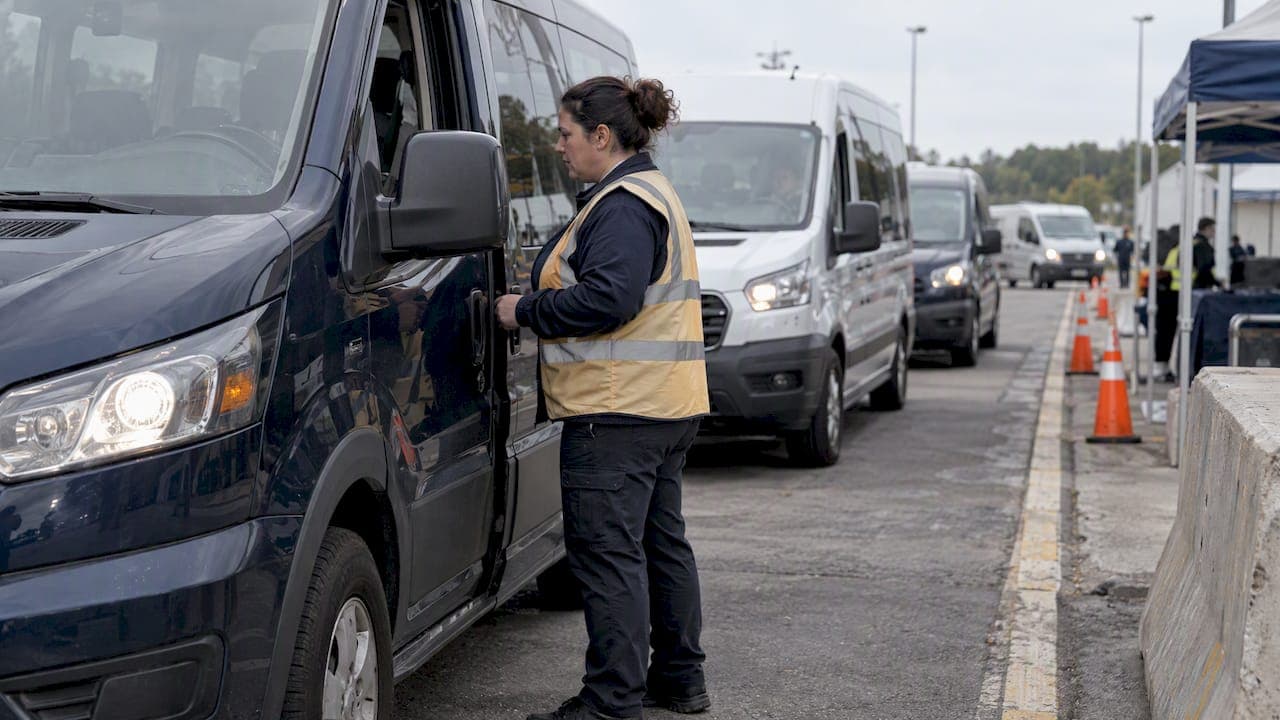
Base camp logistics create a safe, permitted, and efficient mobile hub that reliably moves people and gear between staging and set. Getting there means locking parking and permits early, building shuttle manifests that hold up under pressure, and keeping emergency access clear at all times. This guide draws on permit guidance from the California Film Commission and field experience from Sammy at Riga Global Travel.
TL;DR:
- Obtaining permits for off-site parking can take four to sixteen business days, so early submission and clear documentation are essential.
- Building a detailed path-of-travel map and securing signed parking agreements helps ensure smooth permit approval and site logistics.
- Shuttle manifests must include verified headcounts, call times, and vehicle assignments, with buffer times factored in to prevent delays.
- Emergency access lanes must remain clear at all times, and permit conditions regarding safety and layout are non-negotiable.
- Hiring a location manager one month prior streamlines permit and parking arrangements, avoiding last-minute rush costs and delays.
Table of Contents
- The first-week base camp checklist to lock in
- How to zone and lay out a production base camp that works
- How to secure parking, staging, and permits
- Designing shuttle manifests and the daily movement matrix
- Safety, emergency access, and permit conditions you cannot waive
- Who to hire and when for base camp staffing
- How to budget for base camp and avoid cost overruns
- Sammy's field perspective and practical shortcuts
- How a chauffeur and concierge partner simplifies base camp logistics
- FAQ
- Sources
The first-week base camp checklist to lock in
Before you touch a shuttle schedule or a parking contract, confirm the basics that everything else depends on.
- Walk the site and confirm acreage and turning room for trucks, not just open ground.
- Build a path-of-travel map showing how vehicles and crew move from parking to set.
- Secure off-site parking agreements that list addresses and committed vehicle counts.
- Check permit submission windows against your shoot date and gather traffic control needs.
- Set your shuttle manifest process, build in buffer time, and assemble your on-day contact list.
Each of these feeds a permit application or a parking contract, so sequence matters more than speed.
Pro Tip: Draft your path-of-travel map before you call any parking lot owner. It tells you exactly how many spaces you need and where, instead of guessing.

How to zone and lay out a production base camp that works
A functional base camp is organized into rows, not scattered by convenience. Talent Row sits closest to set access and stays quiet and controlled. The hair, makeup, and wardrobe area (H/M/W) needs power, water access, and proximity to Talent Row without crossing production traffic. Production Row houses offices and department trailers, while Support and Catering sits furthest from talent to keep food smells and crew foot traffic away from trailers.
- Place generators downwind of talent and crew areas with clearance for noise and exhaust.
- Keep vehicle lanes wide enough for trucks to maneuver without three-point turns.
- Separate pedestrian paths from vehicle paths wherever the site allows it.
An average feature film arrives with roughly 10 to 25 equipment trucks and 60 to 95 automobiles, with commercials typically needing about half that footprint. That range is why maneuvering room matters more than a visually tidy layout. Permit reviewers expect a path-of-travel map that shows exactly how that volume of vehicles and people will move without blocking emergency lanes.
How to secure parking, staging, and permits
Permit offices want documentation before they want explanations. Build your packet in this order:
-
Parking map showing the off-site lot, vehicle counts, and walking routes to set.
-
Signed parking agreement from the property owner, including hours and access terms.
-
Certificate of insurance naming the property owner as an additional insured where required.
-
Path-of-travel map connecting parking to the base camp and the shooting location.
Lead times vary by jurisdiction and by what you are asking for. California Film Commission guidance notes a minimum of four business days for standard state property, and 12 to 16 business days for Caltrans freeway or closure requests. Municipal permits often mirror these fields: a sample permit application typically asks for a base camp address, vehicle counts, and the same path-of-travel map your parking agreement supports.
Pro Tip: Order your no-parking signage the same day you submit the permit application. Posting deadlines are often tighter than the permit turnaround itself.
For reserving curb or street space where off-site lots are not an option, this guide to parking permits for moving covers the municipal interactions that overlap closely with production parking requests.
Designing shuttle manifests and the daily movement matrix
A shuttle schedule is only as good as its manifest. Build the manifest first: names, call times, pickup points, vehicle assignments, and a verified headcount before the first van leaves the lot. Collect this data during crew confirmation, not the morning of.
- Build in a 90-minute buffer for early calls and weather-sensitive shoots, since one late shuttle cascades into overtime.
- Stagger shuttle departures to avoid bottlenecks at load-in and load-out.
- Assign a single dispatcher who verifies manifests against actual headcounts before departure.
- Set one communication channel for shuttle status so crew leads are not calling multiple numbers.
This shuttle logistics breakdown walks through manifest examples and buffer timing in more detail, and this production transport guide covers off-site parking compliance for larger crews.
Pro Tip: Assign vendor escalation contacts before day one. A dispatcher who has to search for a phone number during a delay has already lost the buffer.
Safety, emergency access, and permit conditions you cannot waive
Emergency vehicle access is not negotiable, and permit conditions typically say so directly. CSATF guidelines state that base camp layout is a shared responsibility between transportation and location departments, and that emergency access lanes must stay clear at all times.
- Keep emergency lanes open and marked, even when parking gets tight.
- Credential all base camp access points to limit public interference near talent areas.
- Store fuel and position generators with proper clearance, and keep a fire marshal contact on file.
- Log every permit condition and keep a current contact sheet for police, fire, and highway patrol.
Treat the safety plan as a living document crew leads can reference, not paperwork filed away after the permit is approved.
Who to hire and when for base camp staffing
Staffing timed to the right milestones prevents the scramble that causes permit delays.
- Bring a location manager on board about one month before the shoot to start parking agreements and permits.
- Assign an assistant locations person and a transportation coordinator once the site is locked.
- Confirm a security lead and on-site concierge contact during the week before prep day.
- Finalize manifests and shuttle schedules once call sheets are locked, not before.
- Set a clear escalation chain so a stalled decision on-day has one person who can resolve it.
Hiring location management early is a recommendation shared across the industry, including from Film Independent, which points to advance planning as the difference between a smooth shoot and a costly one.
How to budget for base camp and avoid cost overruns
Base camp costs add up fastest in the line items production managers forget to negotiate. Common ones include parking rental, shuttle vehicle hours, security staffing, permit fees, signage, barricades, and generator inspection fees.
- A standard 12-hour shoot day sets your baseline cost; overtime rates on shuttles and security climb fast past that mark.
- Scale your footprint to your actual vehicle count rather than booking for a worst-case estimate.
- Consolidate parking into fewer, larger agreements instead of several small lots.
- Submit permits early. Rush fees are one of the most avoidable costs on a production budget.
Review every parking agreement for access hours, liability terms, and whether the rate covers the full shoot day or resets at a set hour. A gap there turns into a surprise invoice.
Sammy's field perspective and practical shortcuts

Generators placed downwind and away from talent trailers cut complaints before they start. Pre-labeling talent wagons and production vehicles the night before saves ten chaotic minutes every morning. A manifest checkpoint at the shuttle door, not just at dispatch, catches the one name that got missed.
For a deeper look at managing production transport day to day, see this vendor's guide to production parking and staging. When the schedule gets tight, a dedicated chauffeur and concierge partner frees a production manager from chasing vehicles and lets them run the shoot.
— Sammy
How a chauffeur and concierge partner simplifies base camp logistics
Running base camp transport in-house means coordinating drivers, dispatch, and invoicing on top of everything else on your plate. A dedicated transport partner can handle airport transfers, talent shuttles, and on-site dispatch as a single coordinated service, with invoiced corporate accounts that replace a stack of individual receipts.

- One point of contact for dispatch instead of juggling multiple vendors mid-shoot.
- Direct access to ownership and management for fast decisions, not a call center.
- Single invoicing and NDA-based confidentiality for productions that need it.
For productions moving talent between airports, hotels, and set, see our celebrity transportation service or get a quote through our main service page to see how a dedicated transport partner fits your next shoot.
FAQ
What does base camp logistics actually cover on a production?
Base camp logistics covers parking and permits, shuttle scheduling for cast and crew, site layout and zoning, and emergency access planning for the duration of a shoot. It also includes staffing decisions, such as when to bring on a location manager or transportation coordinator.
How far in advance should I submit permits for base camp parking?
Lead times depend on the jurisdiction and the type of permit. California Film Commission guidance requires at least four business days for standard state property and 12 to 16 business days for Caltrans freeway or closure requests, so submit as soon as your site is locked.
When should I bring a location manager onto a production?
Location managers typically come on board about one month before the shoot to handle parking agreements, permit submissions, and stakeholder outreach. Bringing them on later often compresses the permit timeline past what some jurisdictions allow.
What is the 90-minute buffer in shuttle scheduling?
The 90-minute buffer is extra time built into shuttle schedules for early call times or weather-sensitive days, so one delayed van does not cascade into crew-wide overtime. Dispatchers apply it most often on the first shuttle run of the day.
Does Riga Global Travel handle base camp transport for productions?
Yes. Riga Global Travel offers talent shuttles, airport transfers, and on-site dispatch for productions, along with invoiced corporate accounts, and more detail is available on our service page.
Sources
- Shooting on location? How to save yourself money and headaches — Film Independent
- State permits and application guidance — California Film Commission
- Guidelines for base camps — CSATF