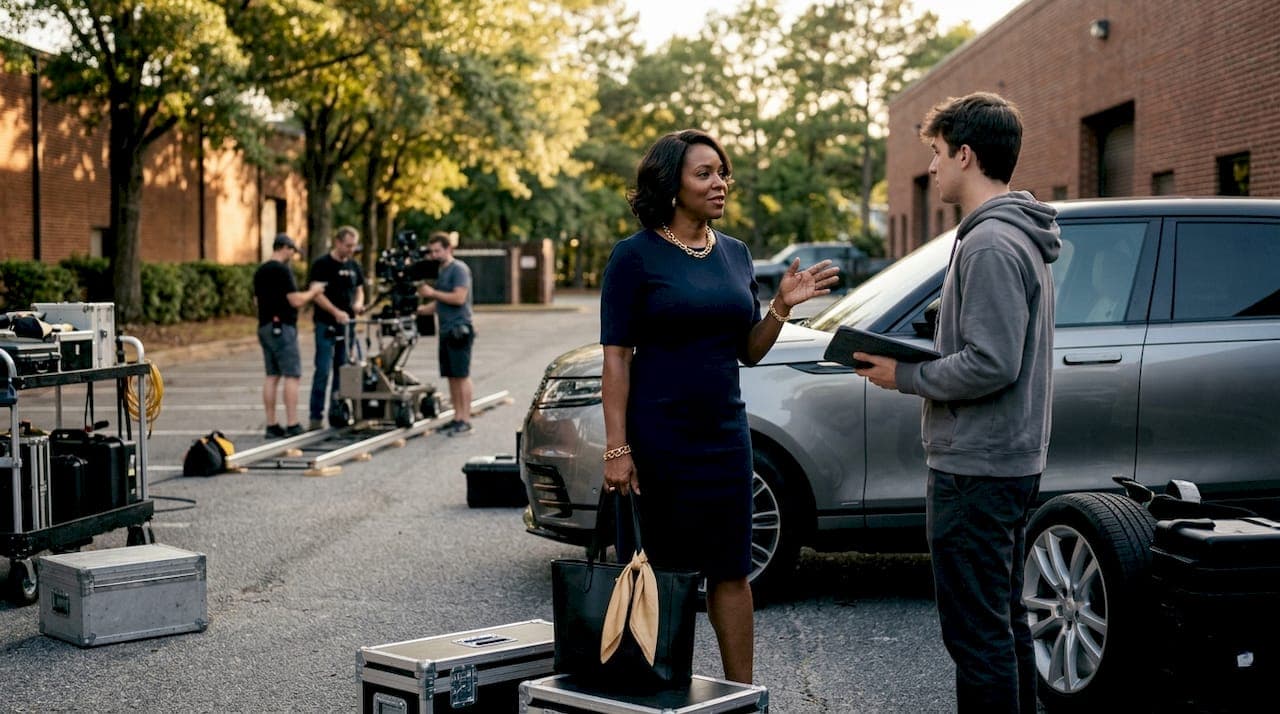
Luxury vehicles on set are defined as production assets that communicate wealth, status, and character to audiences within the first frame. Understanding why luxury vehicles are used on set goes beyond aesthetics. These vehicles function as non-verbal storytelling tools, production design anchors, and credibility signals that no replica or generic prop car can replicate. Productions shooting historical period pieces often require 30 to 50 era-appropriate vehicles to fill background scenes convincingly. That scale alone tells you how central vehicle selection is to production design at every budget level.
Why luxury vehicles used on set: what makes them irreplaceable
Luxury vehicles bring a combination of craftsmanship, cultural weight, and camera-ready detail that no standard vehicle can match. Each of these qualities serves a specific production function.
Authentic material detail for close-ups
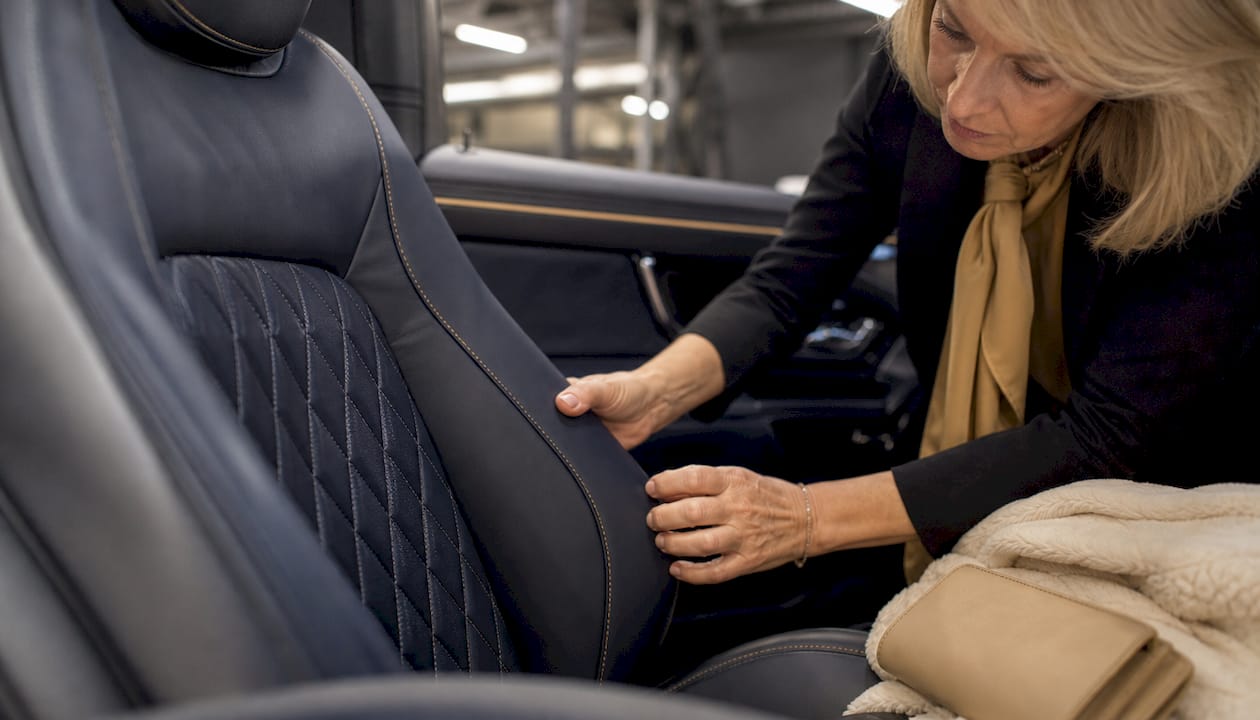
Viewers who own or aspire to own luxury vehicles recognize authentic details instantly. Hand-stitched leather, precision-machined aluminum trim, and bespoke dashboard layouts read as real on camera. A replica or budget alternative reads as fake, even to audiences who cannot name the specific brand.
Performance for dynamic scenes
Luxury vehicles deliver genuine performance under demanding shoot conditions. A director calling for a high-speed pass or a sharp corner cannot fake the sound, body roll, or acceleration of a real performance vehicle. Specialized detailing protocols keep these vehicles camera-ready across long shooting days.
Cultural cachet that does the writing for you
A character stepping out of a Rolls-Royce communicates something entirely different from one stepping out of a sedan. That communication happens in under two seconds, with no dialogue required. Luxury vehicles carry pre-loaded cultural meaning that production designers can deploy deliberately.
- Exterior silhouette signals era, class, and personality before a character speaks.
- Interior shots reveal taste, wealth, and attention to detail through texture and finish.
- Performance sound design adds tension, power, or elegance to any scene.
- Brand recognition triggers emotional associations in audiences worldwide.
Pro Tip: When selecting a hero vehicle for close-up work, prioritize interior material quality over exterior paint condition. Cameras spend more time inside the cabin than outside it during dialogue scenes.
How do luxury cars function as non-verbal storytelling tools?
Luxury vehicle rentals are now considered a practical production requirement rather than an optional upgrade. They establish professionalism and credibility from the first frame, acting as non-verbal signals for power, wealth, and status. Production designers who understand this use vehicles the way novelists use setting: to do exposition work without burdening the script.
The Aston Martin DB5 in Goldfinger is the clearest example in cinema history. Film analysis of that vehicle shows how luxury cars function on the principle of "luxury as camouflage," where a refined, aspirational aesthetic serves as a cover for the vehicle's underlying role in action or high-stakes drama. The car looks like elegance. It operates as a weapon. That tension is the story.
Productions exploit pre-existing cultural meanings of luxury vehicles to reinforce narrative themes without additional exposition. A convertible signals nostalgia. An electric vehicle signals forward thinking. A blacked-out SUV signals threat or authority. These associations are not accidental. Production designers select them with the same care a costume designer applies to wardrobe.
Luxury vehicles also function as character extensions. They reflect the personalities of lead characters, becoming statement makers that reveal inner life without a single line of dialogue. A character who drives a meticulously maintained vintage coupe tells the audience something about discipline and nostalgia. A character in a new, aggressively styled performance vehicle signals ambition or aggression.
- Power and authority: Large, dark luxury sedans or SUVs signal control and dominance.
- Nostalgia and heritage: Classic luxury coupes evoke a specific era and emotional register.
- Innovation and ambition: Electric luxury vehicles position characters as forward-looking.
- Vulnerability or aspiration: A character borrowing or renting a luxury vehicle signals desire and social climbing.
What are the practical logistics of using luxury vehicles on set?
Managing luxury vehicles on a working set requires more planning than most producers anticipate. Hero vehicles must be in excellent cosmetic condition for close-up work, but most productions do not need showroom-perfect vehicles for every scene. Cameras pick up too much reflection on flawless paint. Production teams apply strategically placed faux wear, dust, and dirt to create an authentic, lived-in look.
Here is a practical sequence for managing luxury vehicles across a shoot:
- Assess the hero vehicle's role. Determine whether the vehicle appears in close-up interior shots, exterior driving sequences, or static background scenes. Each role requires a different preparation standard.
- Schedule on-site detailing. Weather and lighting conditions can ruin production value if vehicles are not detailed immediately before shooting. High humidity hazes gloss finishes. Direct sun creates harsh reflections. A detailing crew on standby is not optional for exterior shots.
- Use repositioning to create variety. A common efficiency tactic is recycling a limited number of vehicles across different blocks or scenes to create the illusion of a diverse street scene. This avoids the cost and coordination of sourcing dozens of individual cars.
- Coordinate across departments. Effective coordination among location managers, drivers, and production designers enables smooth vehicle integration into shooting schedules and minimizes crew downtime.
- Plan for contingencies. Luxury vehicles are complex machines. Have a backup vehicle or a specialist on call for mechanical issues that could halt production.
Pro Tip: Brief your vehicle coordinator and your director of photography together before the shoot day. Camera angle decisions directly affect which vehicle surfaces need detailing and which can be left unfinished.
What are the benefits of renting luxury vehicles for film and TV?
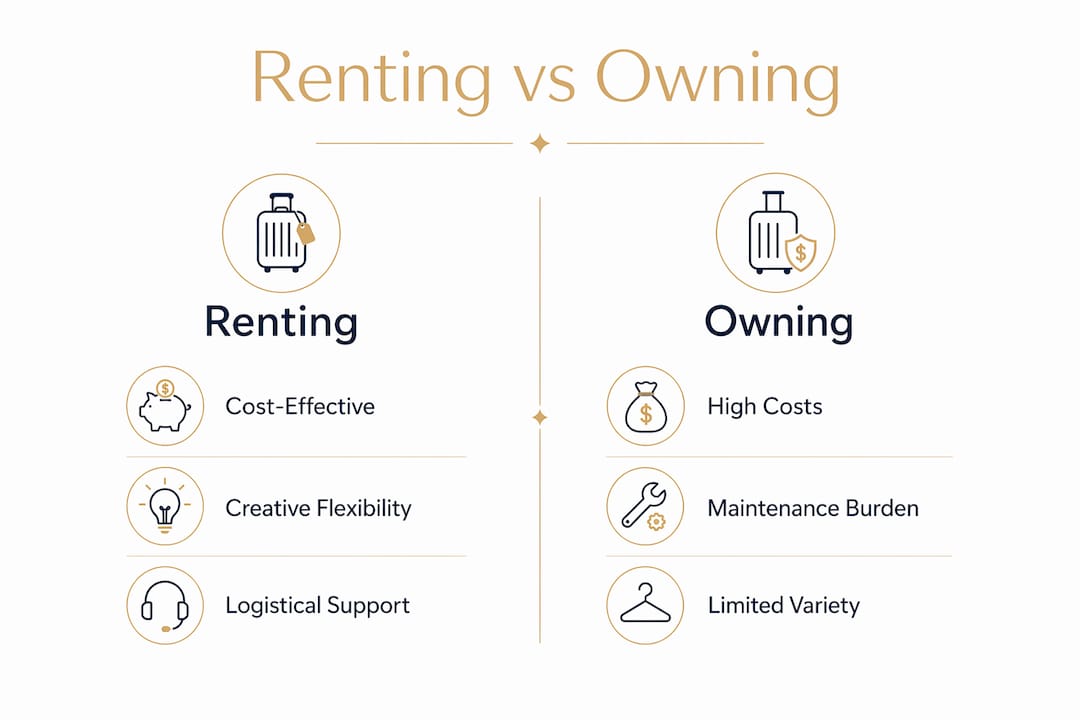
Renting luxury vehicles for production is more cost-effective than ownership for the vast majority of projects. Ownership offers little long-term value for most productions. Hiring high-end vehicles gives teams access to a premium fleet without the ongoing costs of insurance, storage, maintenance, and depreciation.
The table below outlines the core benefits of renting versus owning luxury vehicles for production use.
| Benefit | What it means for your production |
|---|---|
| No ownership costs | Budgets stay focused on creativity, locations, and talent rather than vehicle upkeep. |
| Fleet variety | Access to different makes, models, and eras without capital investment in multiple vehicles. |
| Production-grade support | Specialist providers deliver vehicles with insurance, on-site support, and maintenance included. |
| Schedule alignment | Experienced providers understand call times, turnaround windows, and set logistics. |
| Visual quality | Rental fleets are maintained to a higher cosmetic standard than most owned production vehicles. |
Specialist providers understand the difference between a client who wants a car for a weekend and a production team that needs a vehicle camera-ready at 5:00 AM. That operational knowledge is part of what you pay for. Rigaglobaltravel, for example, provides luxury concierge services for film sets that account for production schedules, talent logistics, and the specific demands of on-set vehicle use.
Productions that work with specialist providers also gain creative flexibility. A director who decides at noon to swap a sedan for an SUV needs a provider who can execute that change before the afternoon block. Generic rental companies cannot do that. Specialist providers built for the entertainment industry can.
Key Takeaways
Luxury vehicles are production assets, not props. Their authentic detail, cultural meaning, and logistical flexibility make them irreplaceable tools for directors, producers, and set designers working at any scale.
| Point | Details |
|---|---|
| Visual credibility from frame one | Luxury vehicles signal wealth and status instantly, replacing dialogue with image. |
| Authentic detail beats replicas | Hand-stitched leather and precision trim read as real on camera; substitutes do not. |
| Vehicles carry narrative meaning | Production designers use brand associations to reinforce character and theme without exposition. |
| On-set logistics require planning | Detailing, repositioning, and department coordination are non-negotiable for professional results. |
| Renting beats owning | Specialist rental providers deliver fleet variety, production support, and schedule alignment at lower cost. |
What I've learned from watching productions get vehicles wrong
I have watched productions spend heavily on locations, wardrobe, and lighting, then drop a generic sedan into a scene that called for something with presence. The result is always the same. The scene loses authority. The character loses credibility. The audience does not know why, but they feel it.
The most common mistake is treating the vehicle as a prop rather than a cast member. A luxury vehicle in a key scene carries as much narrative weight as the actor sitting inside it. Directors who understand this brief their vehicle coordinator the same way they brief their costume designer: with character notes, not just a make and model.
The second mistake is underestimating logistics. Productions that do not schedule on-site detailing, do not coordinate between the DP and the vehicle team, and do not plan for contingencies lose hours on shoot days. Those hours cost more than the vehicle rental itself.
The trend I find most interesting right now is the use of electric luxury vehicles as character shorthand. A decade ago, an electric vehicle on screen signaled eccentricity. Today it signals power, forward thinking, and a specific kind of wealth. That shift happened fast, and productions that have not updated their visual vocabulary are already reading as dated.
Treat luxury vehicles as active narrative collaborators. Give them the same pre-production attention you give to any other major production element. The return on that investment shows up on screen.
— Sammy
Rigaglobaltravel: luxury vehicle services built for production
Productions that need reliable, camera-ready luxury vehicles and chauffeur services on a professional schedule have a clear option in Rigaglobaltravel. The company specializes in limousine and concierge services for the entertainment industry, with fleet options and operational knowledge built around the demands of film and television production.
Whether your production is based in New York, Los Angeles, Miami, or Connecticut, Rigaglobaltravel delivers vehicles and drivers who understand call times, set protocols, and the standard of presentation that high-end productions require. The team handles TV production ground transportation with the same attention to detail that your production design team brings to every frame. For productions requiring luxury vehicle services in New York, Rigaglobaltravel offers a fleet and a service model built specifically for the entertainment industry.
FAQ
Why are luxury vehicles used on set instead of standard cars?
Luxury vehicles communicate wealth, status, and character to audiences instantly through authentic material detail and cultural associations. Standard vehicles cannot replicate that non-verbal impact on camera.
What is a hero vehicle in film production?
A hero vehicle is the primary car featured in close-up shots and key scenes. It must be in excellent cosmetic condition and often receives on-site detailing immediately before filming.
Is it better to rent or own luxury vehicles for production?
Renting is more cost-effective for most productions. Specialist rental providers offer fleet variety, production-grade support, and schedule alignment without the ongoing costs of ownership.
How do production designers choose which luxury vehicle to use?
Production designers select vehicles based on character persona, story arc, and the cultural associations the vehicle carries. The choice is a narrative decision, not just an aesthetic one.
How does weather affect luxury vehicles on set?
High humidity and direct sunlight affect gloss finishes and create unwanted reflections. Professional on-site detailing immediately before shooting is necessary to maintain visual quality across exterior scenes.