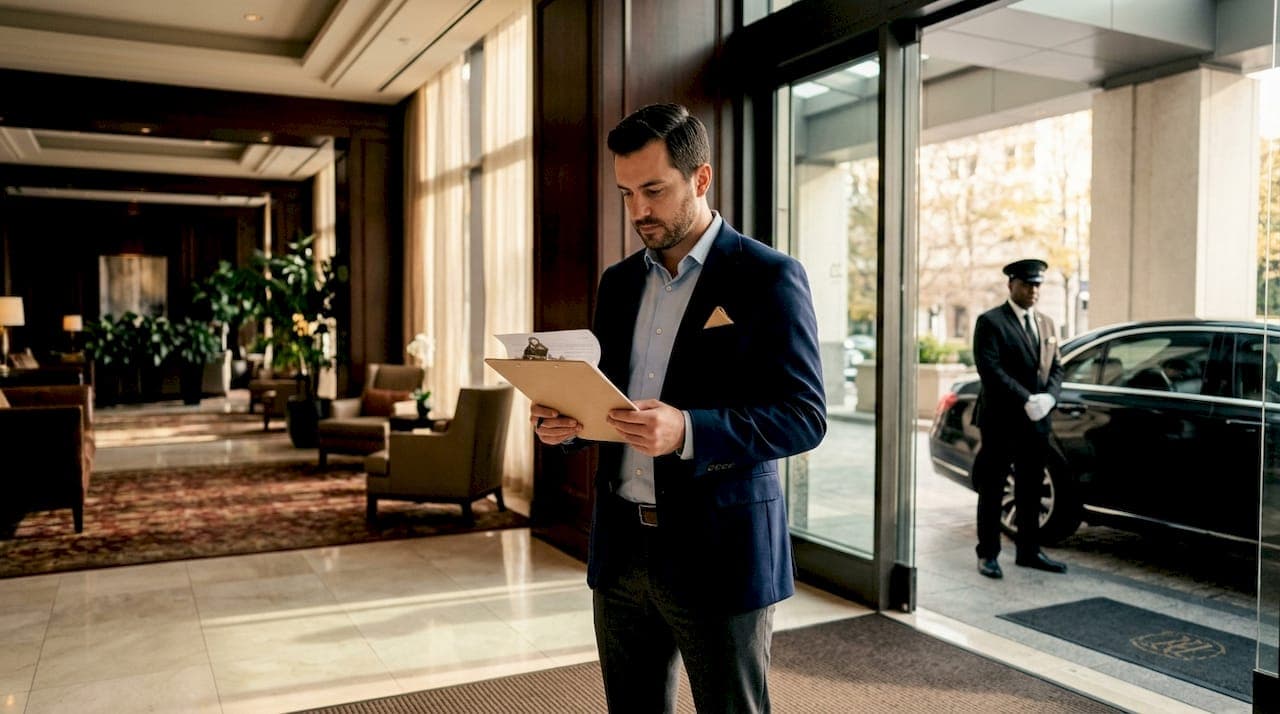
Luxury transport in sports media is defined as the use of premium ground vehicles, private aviation, and dedicated chauffeur services to move athletes, broadcast talent, and production crews during high-profile events. The role of luxury transport in sports media extends well beyond logistics. It shapes athlete image, determines broadcast quality, and drives the kind of brand partnerships that sustain major sports properties. When ESPN and DirecTV deployed a 45-foot luxury motorcoach across 36 markets over 15 weeks, the vehicle produced 150 on-location interviews and secured a 3-year sponsorship deal. That single example shows how executive transport in sports media functions as a production asset, not just a vehicle.
How does luxury transport shape athlete visibility in sports media?
Athlete visibility in sports media begins before the camera turns on. The vehicle an athlete arrives in, the entrance it enables, and the composure it supports all feed directly into how media captures and frames that athlete. A chauffeur-driven arrival at a press conference signals status. It gives camera crews a defined moment to capture. It gives the athlete time to prepare mentally rather than navigate traffic or parking.
Luxury vehicles in sports events create what media professionals call "arrival content." This is short, shareable footage of an athlete stepping out of a premium vehicle that performs well across social platforms and broadcast pre-shows. Teams and agencies now plan these moments deliberately. The vehicle choice, the door opening, the backdrop — all are coordinated with media schedules.
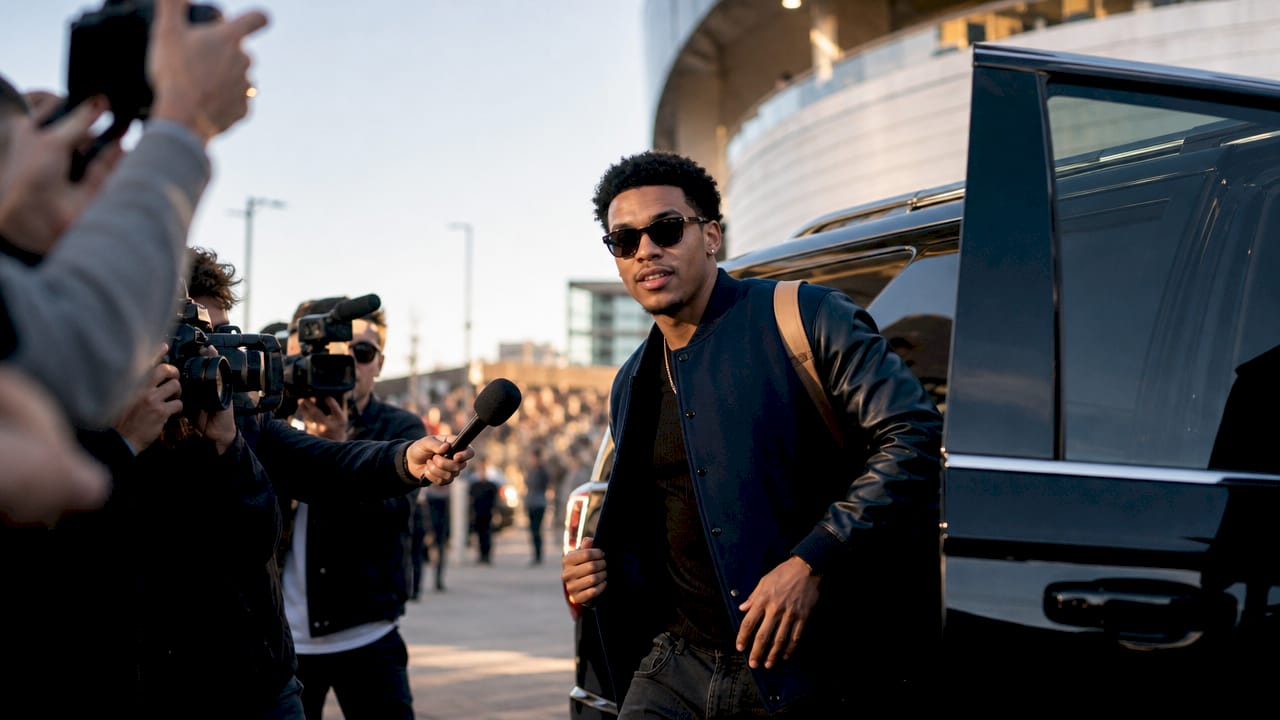
Athlete comfort also affects performance on camera. A talent who traveled in a cramped van for two hours reads differently on screen than one who arrived in a climate-controlled, quiet cabin. Sports media professionals who understand this use private chauffeur services as a preparation tool, not just a convenience.
Key factors luxury transport contributes to athlete visibility:
- Controlled arrival moments that give broadcast crews a predictable, high-quality visual
- Reduced pre-event stress that improves on-camera presence and interview quality
- Brand alignment between the athlete's image and the prestige of the transport
- Social media content generated by arrival footage before the event begins
Pro Tip: Schedule athlete arrivals 20 minutes before media access opens. This gives your crew time to capture the entrance without competing with the crowd, and gives the athlete a buffer to settle before the first camera rolls.
What is the impact of luxury transport on sports media production?
Sports media production runs on tight schedules. A missed connection or a delayed crew van can cost a broadcast its opening segment. Mobile luxury broadcast platforms solve this by combining transportation, production facilities, hospitality, and branding in a single vehicle. The ESPN and DirecTV motorcoach covered 30,000 miles without missing a single scheduled broadcast window across its entire 15-week run.
Private aviation fills the gaps that ground transport cannot. An NBC sportscaster flew a 10-hour transcontinental flight between Super Bowl coverage and Olympic broadcasts to maintain continuity. That flight was not a luxury perk. It was a production necessity. FlyHouse coordinated air travel for over 40 ESPN staff during the 2026 football season, managing the kind of scheduling complexity that no standard travel agency handles.
Helicopter access adds another layer. Zip Aviation has served as the exclusive helicopter operator for PGA and USGA tournaments since 2016, expanding its role in 2026. Golf venues often sit in areas with limited road access. Helicopters move VIPs, media talent, and equipment in ways that ground vehicles simply cannot.
| Transport type | Primary use | Key media benefit |
|---|---|---|
| Luxury motorcoach | Multi-market broadcast tours | Mobile production studio and sponsor platform |
| Private jet | Intercontinental crew relocation | Maintains broadcast continuity across events |
| Helicopter | Remote or high-traffic venue access | Bypasses ground congestion for time-sensitive moves |
| Chauffeur sedan | Talent and crew daily transfers | Consistent, reliable movement with zero scheduling risk |
How does luxury transport drive brand partnerships at sports events?
Luxury transport functions as a visible brand asset at sports events. The vehicles parked outside a venue, the fleet moving VIPs between locations, and the transport experience itself all carry brand signals. Sponsors recognize this. Multi-year partnerships between transport operators and event sponsors are now standard at major golf, tennis, and motorsport events.
The shift in luxury sports marketing is away from mass visibility and toward controlled, exclusive experiences. Luxury brands now treat sports as a mirror rather than a megaphone, building prestige through curated access rather than broad advertising. Transport is central to that approach. When a sponsor controls the vehicle that moves a VIP from the airport to the venue, that sponsor owns a private, uninterrupted brand moment.
Formula 1's Paddock Club demonstrates how physical access and exclusive transport create cultural ecosystems. The transport experience is not separate from the event. It is the first and last impression a guest carries. Premium ground transport bookings for events like Roland-Garros, Wimbledon, and Royal Ascot originate 60–75% through luxury hotel concierges. That stat shows how deeply transport is embedded in the hospitality and sponsorship infrastructure of elite sports.
Key ways luxury transport activates brand partnerships:
- Branded vehicle fleets that reinforce sponsor identity from airport to venue
- Exclusive transport tiers that create differentiated guest experiences for VIP sponsors
- Hospitality integration where transport and event access are packaged together
- Networking environments inside premium vehicles that connect media insiders and brand executives
Pro Tip: When negotiating event sponsorships, include transport rights in the activation package. A branded vehicle fleet gives sponsors a tangible, photographable asset that extends their presence beyond signage.
What are the key trends shaping luxury transport in sports media in 2026?
Sustainability is the most disruptive force in luxury transport right now. Private aviation faces growing scrutiny over carbon output, and major sports properties are responding. Several European events now require transport operators to offset emissions or use hybrid ground fleets. This does not reduce demand for premium transport. It redirects it toward providers who can demonstrate environmental accountability.
Technology is changing how transport services are personalized. Real-time flight tracking, digital concierge platforms, and predictive scheduling tools now allow operators to adjust transport plans as broadcast schedules shift. Treating logistics as extensions of creative media production is no longer a philosophy. It is a production standard at the network level.
Ground transport models are also evolving. The on-site sports chauffeur role has expanded from simple point-to-point transfers to full-day media support, including equipment handling, schedule coordination, and venue access management.
| Trend | Impact on sports media transport |
|---|---|
| Sustainability mandates | Pushes operators toward hybrid fleets and carbon offset programs |
| Real-time scheduling tech | Reduces delays and allows dynamic rerouting during live events |
| Hospitality bundling | Transport becomes part of sponsor and VIP packages, not a separate line item |
| On-site chauffeur expansion | Chauffeurs take on broader production support roles beyond driving |
Key takeaways
Luxury transport in sports media is a production asset, a brand platform, and a competitive advantage when managed with the same rigor as any other broadcast element.
| Point | Details |
|---|---|
| Transport shapes athlete image | Arrival vehicles and chauffeur services directly influence how media captures and frames athletes. |
| Mobile platforms multiply output | Luxury motorcoaches combine production, hospitality, and transport to generate more content per event. |
| Private aviation sustains schedules | Jets and helicopters keep broadcast talent on time when ground transport cannot close the gap. |
| Transport activates sponsorships | Branded fleets and exclusive transport tiers give sponsors a tangible, high-value presence at events. |
| Sustainability is now a requirement | Operators must address carbon impact to remain viable partners for major sports properties in 2026. |
Why I think media professionals undervalue transport as a storytelling tool
Most sports media professionals treat transport as a budget line. They approve the invoice, confirm the pickup time, and move on. That is a missed opportunity. After years of working with high-profile clients in the entertainment and sports world, I have seen firsthand how the transport experience sets the tone for everything that follows.
An athlete who arrives composed, on time, and in a vehicle that matches their public profile walks into a press conference differently. A broadcast crew that moves between venues without friction produces better content. These are not soft benefits. They show up in the quality of the footage, the energy of the interview, and the consistency of the broadcast.
The most forward-thinking media operations I have observed treat logistics the way they treat lighting or sound. They plan it early, they assign it to someone who understands the creative stakes, and they do not cut corners on it. Eric Shanks at Fox Sports has spoken about seamless movement as part of broadcast innovation. That framing is exactly right.
My advice to sports media professionals is direct: stop treating transport as overhead. Start treating it as part of the production. The brands that sponsor your events already understand this. Your transport fleet is a brand statement. Make it one deliberately.
— Sammy
Rigaglobaltravel's transport services for sports media professionals
Sports media productions run on precision. One delayed vehicle can unravel an entire broadcast day.
Rigaglobaltravel provides luxury chauffeur and limousine services built specifically for the entertainment and sports media industry. From airport transfers for broadcast talent to full-day on-site support during major events, every vehicle and driver is matched to the demands of high-profile production schedules. Sports media professionals covering events in New York can access premium limousine service with the reliability and discretion that talent and crew require. Rigaglobaltravel also supports TV production ground transportation for crews managing complex, multi-location shoot days across the metro area.
FAQ
What is the role of luxury transport in sports media?
Luxury transport in sports media covers premium ground vehicles, private aviation, and dedicated chauffeur services used to move athletes, broadcast talent, and production crews. It directly affects athlete image, broadcast continuity, and sponsorship activation at major events.
How does executive transport improve sports broadcast quality?
Executive transport removes scheduling risk for broadcast crews by providing reliable, time-controlled movement between venues. Operations like FlyHouse coordinating over 40 ESPN staff during the 2026 football season show how critical this function is to live production.
Why do luxury brands partner with sports transport operators?
Luxury brands use transport partnerships to create exclusive, controlled brand experiences rather than broad advertising. Exclusive transport tiers give sponsors a private, high-value touchpoint with VIP guests from arrival through departure.
How do sports media professionals book premium event transport?
At major European events like Roland-Garros and Wimbledon, 60–75% of premium ground transport bookings originate through luxury hotel concierges. For sports press conference logistics, direct partnerships with specialist operators like Rigaglobaltravel are the most reliable approach.
What transport options work best for remote sports venues?
Helicopters are the most effective solution for remote or high-traffic venues. Zip Aviation has operated exclusively for PGA and USGA tournaments since 2016, demonstrating that helicopter programs are a proven model for championship-level access management.