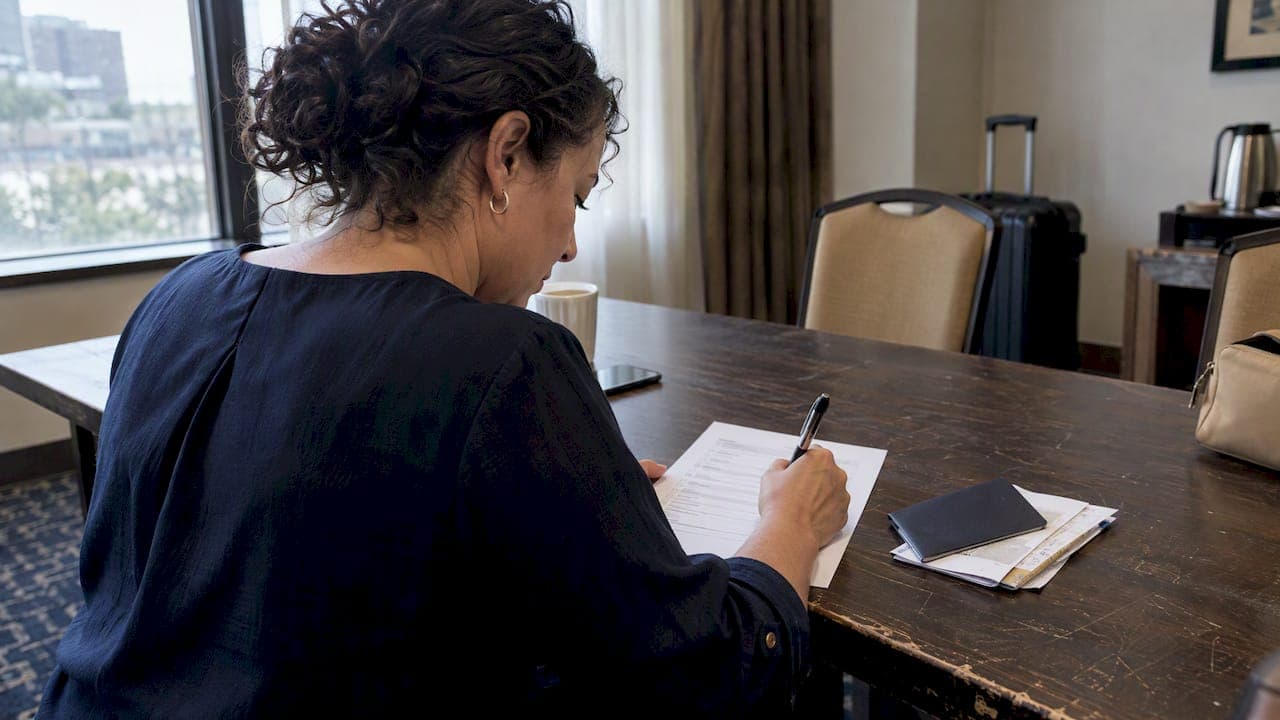
Running entertainment travel smoothly starts with three confirmations: valid IDs with backup copies for every traveler, a booked airport transfer with flight tracking, and locked reservation release windows for priority dining or venues. Enrolling key travelers in the State Department's STEP program and following TSA packing rules round out the baseline. From there, send a manifest template to every stakeholder and book your primary ground transport.
TL;DR:
- Elite restaurants may release tables 30, 60, or 90 days ahead; flexible meal times, hotel relationships, and calls before 5 p.m. can improve booking odds.
- Match vehicle capacity to passengers, luggage, and equipment; confirm flight tracking, a named driver contact, pickup details, and buffers for airport delays and set calls.
- On international trips, verify passport and visa rules, store ID copies securely, enroll travelers in STEP, and carry insurance that covers medical evacuation.
- Limit manifest access to essential staff, include legal names, flight details, addresses, and rider notes, and route driver and security updates through one channel.
- Liquids must follow TSA limits: containers cannot exceed 3.4 ounces, and each passenger gets one clear quart bag; keep laptops accessible for screening.
Table of Contents
- Pre-Trip Essentials: Documents, Enrollment, and Timing
- Reservations and VIP Dining: Securing Hard-to-Book Spots
- Ground Transport and Transfers: Airport to Set
- On-Day Communications and Run-of-Show Logistics
- Packing, TSA, and Security Essentials for Talent and Crew
- Contingencies and Flexibility: Backups Without Burning Relationships
- Coordination With Security Personnel and Protocols
- Privacy and Discretion Measures During Transportation and Events
- Special Accommodations for High-Profile Clients
- Integration With Entertainment Industry Event Schedules
- Communication Protocols Between Concierge, Drivers, and Clients
- Vehicle Options Tailored to Entertainment Clients
- Why a Tailored Concierge Checklist Reduces Production Risk
- Let Us Handle the Checklist for Your Next Production
- FAQ
- Sources
Pre-Trip Essentials: Documents, Enrollment, and Timing
Before anyone books a flight, confirm the paperwork. Check passport expiration dates against your destination's validity requirements, pull visa information where applicable, and collect signed consent documents for any minors traveling with the group. Photograph and scan every ID page, then store copies in a shared folder accessible to your team.
For international moves, enroll travelers in the State Department's STEP program, which keeps them updated on local conditions and gives the embassy a way to reach them in an emergency. The same checklist recommends reviewing destination travel advisories and carrying travel insurance that includes medical evacuation coverage, since evacuation costs can escalate quickly without it.
Set your timeline around booking windows, not just departure dates:
- Confirm flights and primary lodging well ahead for high-demand markets or peak seasons.
- Contact concierge or reservation teams well ahead for limited-availability dining or venues.
- Finalize ground transport and manifests before arrival.
- Reconfirm everything, documents, transport, and reservations, before departure.
A production benefits from mapping this timeline against rehearsal and shoot dates early, so document deadlines never collide with travel days.
Reservations and VIP Dining: Securing Hard-to-Book Spots
Elite restaurants often release tables in batches, sometimes 30, 60, or 90 days before the service date, and concierges who track those windows may improve booking odds, according to Voyagetheory. The same source notes that flexible meal times and existing hotel relationships materially improve booking odds when a restaurant is fully booked online.
Give your concierge or reservations contact a complete data package up front:
- Exact dates and a flexible time window, not just one preferred slot.
- Party size and any dietary restrictions or allergies.
- Whether the visit marks a celebration, which can unlock better seating or small gestures from the restaurant.
- Any accessibility needs for the group.
Timing the call matters as much as the request itself. Calling can complement online booking forms, and contacting the restaurant before 5 p.m. may help you reach staff when they have time to consider a request, according to the Boston Globe. The same piece recommends phrasing requests diplomatically and offering context rather than demands, plus using hotel concierges or trusted local contacts when a restaurant feels out of reach. Keep a fallback plan ready: lunch seatings, midweek dates, and a short list of comparable alternate venues all keep a shoot day on schedule when the first choice falls through.
Pro Tip: Track each reservation's cancellation window and deposit deadline in your manifest so you never lose a deposit to a missed notice period.
Ground Transport and Transfers: Airport to Set
Ground transport is where production schedules succeed or collapse, so confirm every detail with your provider before the pickup date, not the morning of.
- Confirm vehicle class and capacity against the group size, including luggage and equipment.
- Decide between flight-tracking pickup and a fixed pickup time, and put that decision in writing with the provider.
- Get a named driver point of contact with a direct phone line, not a dispatch queue.
- Confirm confidentiality or NDA requirements if the group includes recognizable talent.
- Map hotel-to-set routing in advance, including staging zones for load-in and load-out and where vehicles can wait without blocking production access.
Your manifest should carry full legal names, mobile numbers, flight numbers, pickup and drop addresses, and any equipment or rider notes the driver needs to know before arrival. A detailed hotel-to-set transfer guide is worth reviewing if your production regularly shuttles talent between lodging and set.
Build in buffer time for airport pickups to account for customs or baggage delays, and arrive ahead of any set call time so a late vehicle never becomes the reason a scene gets pushed.
On-Day Communications and Run-of-Show Logistics
A single contact sheet prevents most day-of chaos. List every driver, hotel front desk number, production manager, and talent liaison with a backup name next to each role, so a missed call never stalls a pickup.
- Give drivers a short check-in script: confirm passenger name, pickup time, and destination before departure.
- Have hotel front desks confirm guest readiness before scheduled pickup.
- Route real-time updates through one shared document or a single group thread, never scattered texts across multiple chats.
- Schedule brief status calls at major transition points: departure, arrival, and any schedule change.
Last-minute changes need a clear approval chain. Decide in advance who can authorize a schedule shift, whether that's the production manager or the concierge lead, and require that approval in writing, even a quick text, so there's a record if a question comes up later.
Packing, TSA, and Security Essentials for Talent and Crew
Carry-on liquids must follow the TSA 3-1-1 rule: containers of 3.4 ounces or less, all fitting in one quart-size clear zip-top bag per passenger. Pack liquids and electronics in accessible layers, since screening officers need quick access to laptops and larger devices without digging through a full bag.
- Pack laptops and tablets near the top of the bag for easy removal.
- Keep a printed and digital copy of every ID and boarding pass.
- Check the TSA prohibited items list before packing anything unusual, including stage props or equipment cases.
- Confirm firearm transport rules directly with the airline and TSA if a production requires them in checked baggage.
Travelers enrolled in TSA PreCheck often move through screening faster, which matters when a crew is racing a tight connection between a shoot day and a flight.
Contingencies and Flexibility: Backups Without Burning Relationships
Keep ranked alternatives ready for every priority booking, restaurant, vehicle, or hotel room, so a cancellation never becomes a crisis. Document each reservation's cancellation window, deposit amount, and refund terms, and set an internal rule for who can approve a nonrefundable spend above a set dollar amount.
When plans change, escalate to a rapid-response vendor rather than scrambling solo, but cancel other holds promptly and courteously. Industry insiders note that flexibility, considering lunch instead of dinner or a weekday instead of a weekend, often matters more than rigid advance planning when securing exclusive spots, according to Ice.
Coordination With Security Personnel and Protocols
When a production includes recognizable talent, ground transport and security teams need to operate from the same playbook well before wheels touch down. Share the manifest with the security lead ahead of time so they can review routes, arrival times, and any public-facing stops like those outlined in a comprehensive venue walkthrough checklist for planners.
Agree on a single point of contact between the transport provider and the security team rather than routing requests through multiple people. That contact should confirm vehicle positioning, entry and exit points at venues, and any changes to the route in real time, ideally through the same communication channel the broader production team uses.
Build a short briefing into the driver's prep: expected security personnel at pickup and drop-off, any code words or verification steps for confirming passenger identity, and instructions for what to do if a route needs to change mid-transfer. Drivers who know in advance that a security escort will meet the vehicle at a venue entrance, rather than finding out on arrival, keep the whole transfer calmer and faster.
For high-visibility events, confirm whether security will ride along or meet the vehicle at specific checkpoints, and make sure the vehicle's arrival time accounts for any security screening the venue requires before talent can exit. A mismatch between driver arrival and security readiness can cause a delay at the curb, which matters when a press line or a stage call is on the clock.

Privacy and Discretion Measures During Transportation and Events
Discretion starts with who knows what, and when. Limit manifest access to the people who genuinely need it, and avoid including a talent's full schedule in any message thread that isn't specifically secured for that purpose.
Tinted windows, non-descript vehicles, and routes that avoid predictable stops all reduce the chance of a transfer drawing unwanted attention. Drivers working with recognizable clients benefit from training on how to handle onlookers or photographers without escalating a situation, staying calm and keeping the vehicle moving rather than engaging.
Confidentiality agreements matter here too. Any driver, security staff, or coordinator with visibility into a talent's schedule should operate under a clear confidentiality understanding, and vetted chauffeurs who already work under NDA-based references tend to handle these moments with less friction because they've done it before. Avoid posting real-time location details anywhere outside the secured communication channel, and brief hotel staff in advance if a discreet side entrance or service elevator will be part of the arrival plan.
Special Accommodations for High-Profile Clients
High-profile travelers often need more than a reliable pickup. Privacy screens or tinted glass reduce visibility from outside the vehicle, and a secure, pre-mapped route that avoids predictable choke points cuts down on the chance of a planned stop turning into an unplanned one.
Secure routes should account for alternate paths in case the primary route gets blocked by traffic, a crowd, or press. Share that backup route with the driver and the security lead before departure, not as an improvised decision mid-transfer.
Side or service entrances at hotels and venues, arranged in advance with the property's staff, keep arrivals and departures away from lobbies or public walkways. A driver who knows exactly which entrance to use, and has confirmed that entrance is unlocked and staffed, saves minutes that matter when a crowd has gathered. For talent-grade transport, confirming these details ahead of time is part of what celebrity transportation arrangements are built around.
Integration With Entertainment Industry Event Schedules
A travel plan only works if it respects the production's actual clock: rehearsals, performances, press calls, and wrap times. Pull the full event schedule before finalizing any transport booking, and flag any point where a transfer window overlaps a call time with too little buffer.
Press days deserve their own layer of planning. A talent arriving for interviews often needs a tighter, more predictable schedule than a rehearsal day, since press slots rarely move once they're booked. Build transport windows around those fixed points first, then fit everything else, meals, fittings, downtime, around them.
When rehearsal or performance schedules shift, which they often do, the transport plan needs a fast update path. Keep the driver and security contact on the same notification thread as the production schedule so a changed call time reaches the vehicle before the old pickup window even arrives.
Communication Protocols Between Concierge, Drivers, and Clients
Real-time coordination depends on everyone using the same channel and the same shorthand. Set one primary communication method, whether that's a group messaging thread or a shared dispatch app, and make clear that updates posted anywhere else don't count as confirmed.
Drivers should confirm three things before every pickup: passenger name, exact time, and destination. A quick confirmation text shortly before arrival gives the client or production manager a chance to flag a last-minute change before the vehicle is already en route.
Status updates work best in a consistent, short format: who, where, and what's next. That consistency matters during a multi-vehicle event, when a concierge might be tracking several transfers at once and needs to scan updates quickly rather than parse a paragraph from each driver.
Vehicle Options Tailored to Entertainment Clients
Vehicle choice depends on the job, not just the headcount. A single executive or talent member moving between a hotel and a press interview usually calls for a luxury sedan: quiet, fast, and easy to position at a side entrance. Larger groups, a full crew or a wedding party, often need an SUV or a stretch limousine for comfort and luggage space.
Party buses fit a different need entirely: group celebrations, cast outings, or wrap parties where the vehicle itself becomes part of the experience rather than a simple transfer. For productions moving crew between a hotel and a set in volume, a shuttle or small bus keeps costs down while still running on a fixed schedule.

Matching vehicle to purpose also affects discretion. A plain luxury sedan draws less attention than a stretch limousine pulling up to a side door, which matters for talent-grade transfers where a low profile is the goal.
Why a Tailored Concierge Checklist Reduces Production Risk
Years spent coordinating airport transfers and hotel-to-set moves for production clients taught us that most delays trace back to a missing confirmation, not bad luck. A missed confirmation can put a production’s morning call time at risk. Confirm pickup arrangements with your provider the night before.
Adapt this checklist to your production's scale, because a small talent move needs less structure than a multi-city tour. If you want a second set of eyes on your plan, reach out for a checklist audit.
— Sammy
Let Us Handle the Checklist for Your Next Production
We built our operation around exactly this kind of logistics, so when a checklist item needs to become a confirmed booking, we execute it directly rather than leaving it to guesswork.
- Airport transfers coordinated around your production’s travel schedule.
- Limousine and SUV service for talent, executives, and crew moving between hotels and set.
- Hotel-to-set transfers built around your actual call times, not a generic pickup window.
- Manifest creation and VIP dining coordination handled by our team, not left to a last-minute scramble.
Reach out to discuss your production’s needs, then book your next production's ground transport directly with our team.
FAQ
What should be on my travel bucket list for an entertainment trip?
Prioritize confirmed IDs and copies, a booked primary transport reservation with flight tracking, and locked reservation windows for any priority dining or venue. Everything else, sightseeing or optional stops, fits around those three confirmations rather than ahead of them.
How do I become a travel concierge for entertainment clients?
Most entertainment travel concierges build experience through hospitality, event production, or ground transport coordination roles, then develop direct relationships with hotels, restaurants, and transport providers. Strong organizational systems, like a standard manifest template and a reservation timeline, matter as much as industry contacts.
What are 10 items I need for an entertainment production trip?
Core items include valid ID with copies, a signed manifest, confirmed ground transport details, dietary and accessibility notes for reservations, a contact sheet with backup names, TSA-compliant packed liquids following the 3-1-1 rule, travel insurance information, a printed itinerary, confirmed call times, and a backup plan for at least one priority reservation.
How do I make a checklist for entertainment travel?
Start with documents and enrollment, then layer in reservations, ground transport, and a one-page contact sheet with escalation roles. Build in buffer time around every pickup and reservation, and keep ranked alternatives for anything that can't be rebooked quickly.
Sources
- Travel Checklist
- International Traveler's Checklist
- Voyagetheory
- Follow these 12 steps for VIP treatment at a high-end restaurant