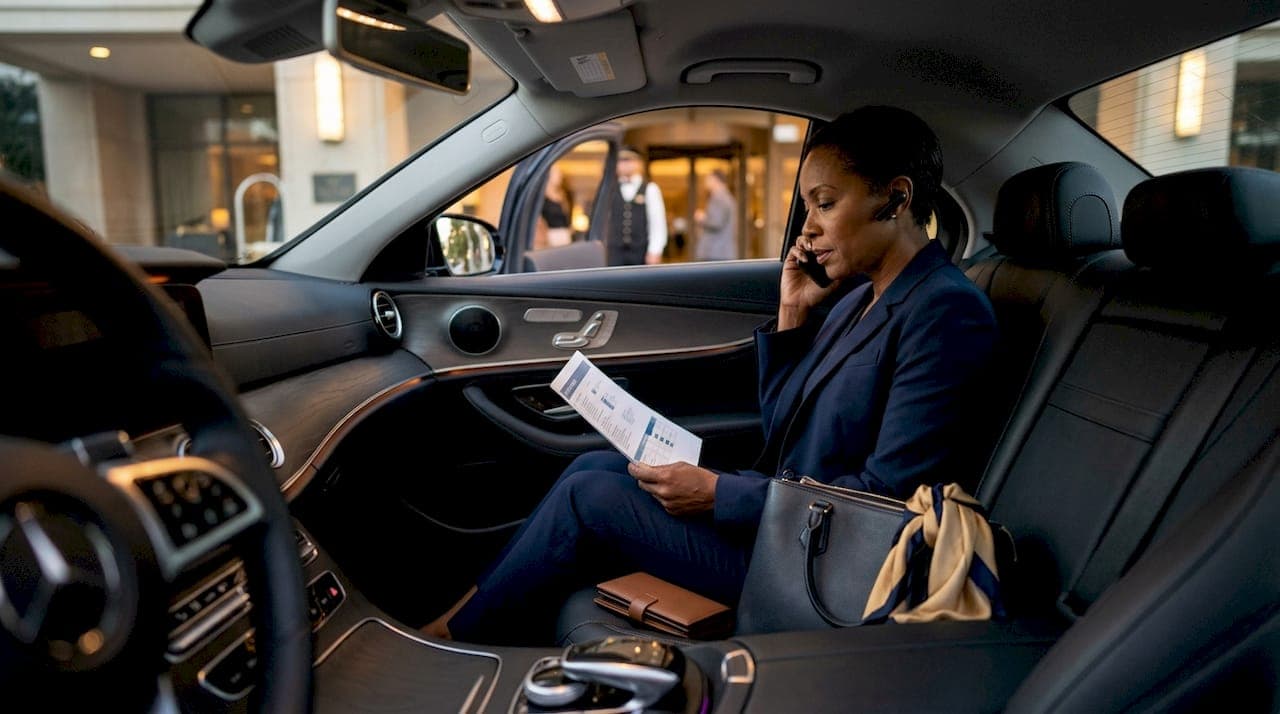
Directors require private transport because their professional obligations create security, privacy, and productivity demands that no standard travel option reliably meets. The moment a board member steps into an unvetted vehicle, they expose confidential strategy, create schedule vulnerabilities, and potentially breach their organization's duty of care obligations. Private transport is not a perk. It is the operational infrastructure that keeps executive leadership functional and protected.
The core reasons directors choose dedicated chauffeured services come down to five realities:
- Security: 85% of physical incidents against executives occur during ground transfers, making vetted drivers a baseline requirement.
- Privacy: Sensitive board discussions, M&A negotiations, and investor calls happen in transit. A vehicle without confidentiality protocols is a liability.
- Schedule control: Directors operate on quarter-hour increments. Pre-arranged routing, real-time flight tracking, and professional chauffeurs eliminate the unpredictability that derails tight itineraries.
- Productivity: Transit time becomes working time when the vehicle functions as a mobile office, not a distraction.
- Professional image: Arriving at a shareholder meeting or client headquarters in a polished, professionally managed vehicle signals organizational competence.
What premium board-level transport services actually deliver
Premium transport for board directors is not simply a nicer car. It is a coordinated service architecture built around the specific operational demands of executive schedules.
Punctuality with real-time intelligence. Professional chauffeur services monitor flight arrivals, track live traffic conditions, and adjust pickup timing before the director even lands. The vehicle is in position before the engines stop. That kind of proactive logistics management is structurally impossible with app-based ride services.
Trained discretion. Professional chauffeurs operate under strict non-disclosure agreements, creating a confidential environment for sensitive conversations. They are trained to maintain silence, avoid unnecessary interaction, and treat every passenger detail as proprietary. This is the standard that board-level travel requires.
Vehicle configuration for work. Premium services offer vehicles equipped with reliable Wi-Fi, multiple power ports, sound insulation suited for conference calls, and retractable work surfaces. The vehicle becomes a functional extension of the boardroom, not a waiting room between meetings.
Route intelligence and flexibility. Advance route planning accounts for chokepoints, alternate paths, and security vulnerabilities before the trip begins. If a protest, accident, or sudden schedule change alters the plan, a professional service adapts in real time rather than rerouting through a consumer app.
Integrated logistics. Premium providers coordinate across travel legs, connecting airport arrivals, hotel transfers, and meeting locations as a single managed sequence. This integration eliminates the handoff gaps where exposure and delay most often occur.
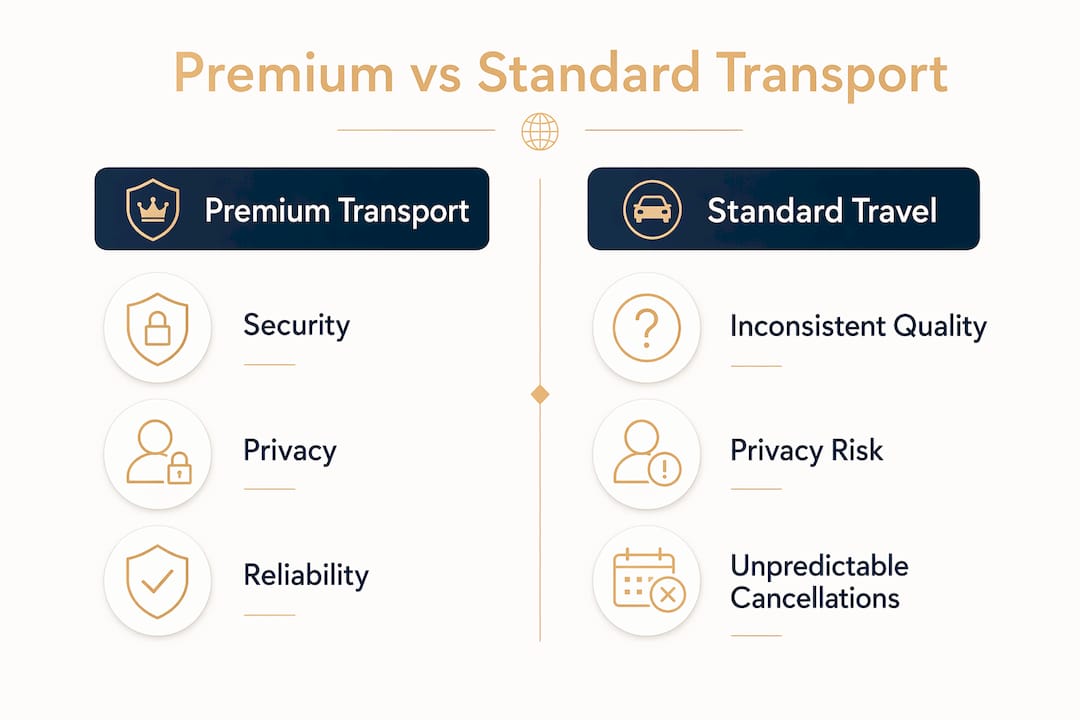
Why standard executive travel options consistently fall short
The appeal of ride-share apps is convenience. For a director managing a board meeting schedule, convenience is not enough.
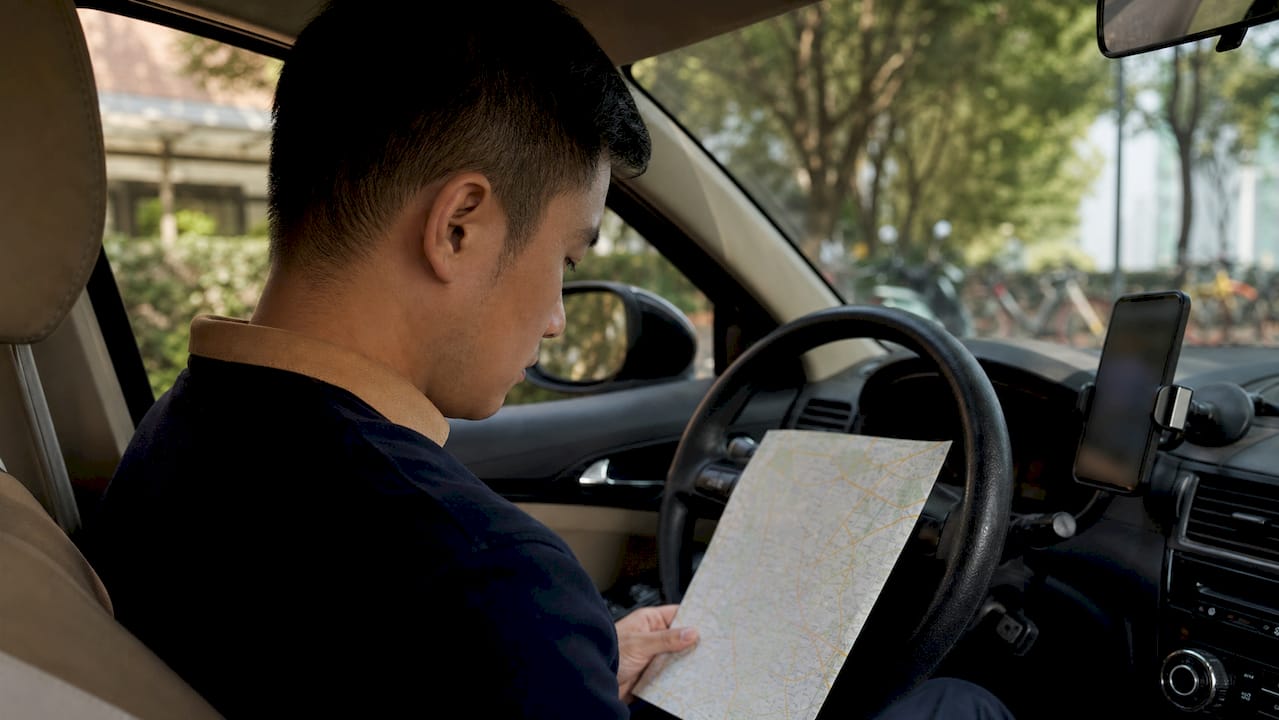
Ride-share platforms lack consistent vehicle quality, driver vetting, and confidentiality protocols, making them structurally unsuitable for executive-level travel. A director might step into a pristine vehicle with a professional driver one day and a poorly maintained car with an inexperienced operator the next. That variability is unacceptable when the trip involves a client pickup, an investor meeting, or a confidential call en route.
Privacy is the most underappreciated gap. Standard ride-share vehicles offer no assurance that conversations are not recorded or that the driver has received any confidentiality training. For executives discussing earnings projections, merger terms, or board strategy, that gap is not a minor inconvenience. It is a material risk.
Last-minute cancellations create cascading failures. A director with a 7:00 AM flight and a 9:00 AM board meeting cannot absorb a driver cancellation at 6:45 AM. Ride-share platforms are built for consumer flexibility, not executive precision. When the service fails, the resolution mechanism is an app-based customer support queue, not a dedicated account manager with authority to fix the problem immediately.
Safety standards diverge sharply. Professional chauffeur services conduct comprehensive background checks, maintain detailed service records, and rotate vehicles on defined schedules. Ride-share driver screening varies widely by platform and market. For a director whose physical security is a board-level concern, that inconsistency is a gap that cannot be managed after the fact.
No duty of care integration. Organizations have a legal obligation to protect traveling executives from foreseeable risks. Standard ride-share services carry no accountability to that obligation. Failing to provide adequate security during executive travel can expose an organization to reputational damage and legal liability.
Service models suited for board-level travel
Not every director needs the same level of protection or service. The right model depends on the executive's risk profile, travel frequency, and the sensitivity of their activities.
Standard chauffeured luxury service covers the majority of board-level travel needs. Pre-vetted professional drivers, premium vehicles, real-time traffic monitoring, and corporate account management deliver the reliability and discretion that directors require for routine city travel, airport transfers, and client meetings. For executives in lower-risk environments, this model handles most situations well.
Secure transport with protective drivers steps up when the risk profile demands it. These drivers carry tactical training beyond standard chauffeur certification, including surveillance detection, evasive driving, and emergency response. Route reconnaissance, advance work, and low-profile vehicle selection are built into the service rather than added as afterthoughts. Directors in high-visibility industries, controversial sectors, or elevated-risk cities typically operate at this level.
Integrated security details combine a Close Protection Officer with the transport function. A CPO brings specialized military or tactical background, managing the environment around the executive rather than simply driving through it. This model is appropriate for directors facing credible threats, traveling to regions with elevated crime rates, or operating in industries that attract public hostility.
Hybrid models blend luxury and active threat mitigation, calibrated to the director's specific risk assessment. The vehicle and driver profile shift based on destination, schedule, and current threat intelligence. This flexibility suits directors whose travel takes them across multiple risk environments within a single itinerary.
On-demand versus scheduled service reflects itinerary complexity. Directors with predictable schedules benefit from pre-arranged, recurring service with a consistent driver who knows their preferences and protocols. Those with fluid, last-minute travel patterns need providers with genuine on-demand capacity and the account infrastructure to respond without degrading service quality.
Pro Tip: When evaluating private driver service providers, ask specifically whether route planning and driver vetting are handled in-house or outsourced. Providers who manage both internally offer meaningfully tighter security chains.
How to choose the right premium transport provider
Selecting a provider for board-level travel requires more than checking vehicle photos and reading reviews. The criteria that matter are operational, not cosmetic.
Driver background verification and training. Ask for specifics: what does the background check cover, how often are drivers re-screened, and what confidentiality training do they receive? A provider that cannot answer these questions clearly has not built the infrastructure that executive travel requires. For guidance on what to look for, corporate chauffeur service criteria covers the key evaluation points in detail.
Fleet quality and maintenance standards. Vehicle age, maintenance schedules, and the range of available configurations matter. A director who needs a vehicle configured for a client pickup has different requirements than one traveling solo between airports. Confirm the provider can deliver the right vehicle, not just a vehicle.
Real-time monitoring and adaptive routing. The provider should operate a central coordination function that tracks vehicles, monitors traffic and security conditions, and can reroute in real time. This is not a feature. It is the baseline for professional executive transport.
Experience with board-level clientele. Providers who regularly serve C-suite executives and directors understand the protocols, the discretion requirements, and the stakes involved. Ask about their corporate client base and how they handle last-minute schedule changes or security-sensitive situations.
Responsiveness and accountability. When something goes wrong, who answers the phone? A dedicated account manager with authority to resolve problems immediately is the standard that executive travel demands. Consumer-grade customer service is not a substitute.
For directors in the New York and Connecticut corridor, Rigaglobaltravel's corporate car service is built specifically around these requirements, with professional chauffeurs, real-time logistics management, and the discretion that board-level travel demands.
How premium transport works in a director's actual schedule
The practical value of private transport becomes clearest when you map it against a director's real day.
Airport transfers with flight tracking. A director flying into JFK after a transatlantic flight does not want to navigate a taxi queue at 6:00 AM. A professional service tracks the arrival, adjusts for any delay, and has a vetted driver waiting at the correct terminal with the vehicle positioned for immediate departure. For directors with security considerations, ramp-to-vehicle protocols coordinated through Fixed Base Operators eliminate public terminal exposure entirely.
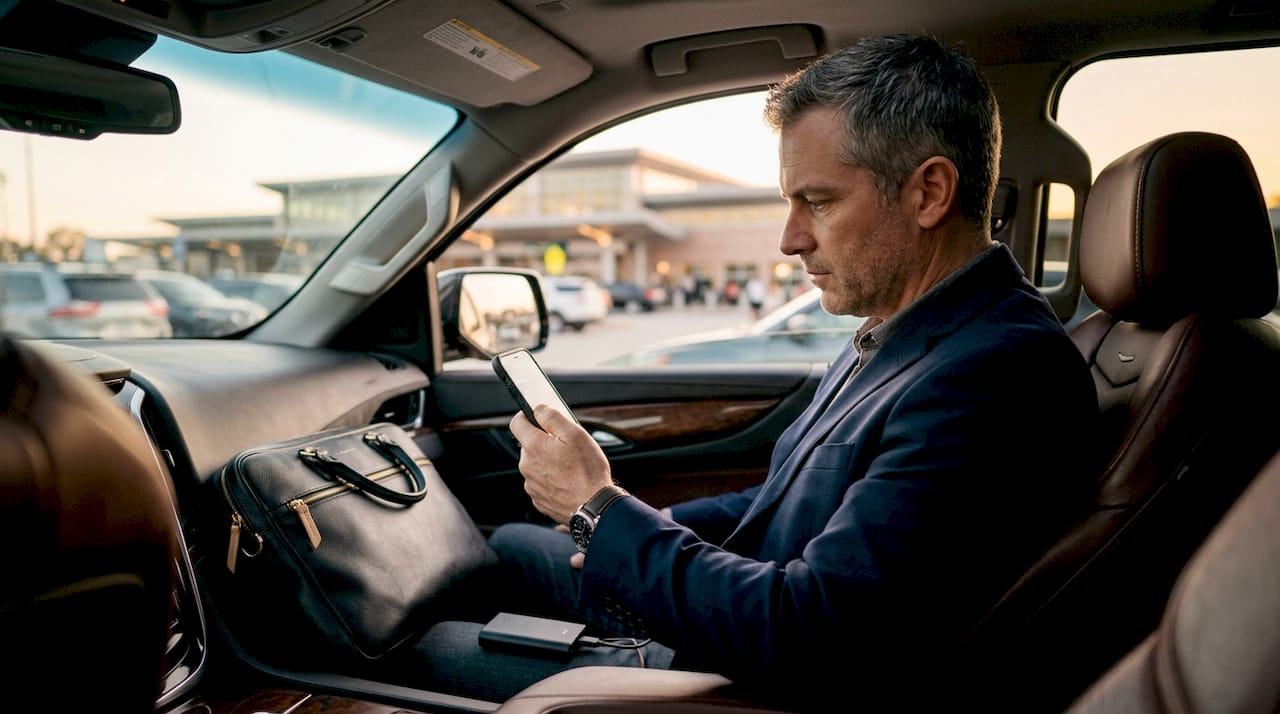
Multi-stop meeting days. A director moving from a morning board session to an afternoon investor presentation to an evening client dinner needs a driver who manages the sequence, not just individual trips. The vehicle becomes a mobile workspace between stops. The director reviews materials, takes calls, and arrives at each location prepared rather than frazzled.
Confidential client and investor visits. When a director is transporting a key investor or a potential acquisition target, the vehicle environment sends a message. A professionally managed, discreet service signals organizational competence. The conversation that happens in that vehicle stays there, protected by the confidentiality protocols that professional chauffeur services enforce as standard practice.
High-profile events. Board meetings, press conferences, and shareholder presentations create predictable arrival and departure windows that require careful management. Professional transport coordinates timing, manages vehicle positioning, and ensures the director arrives and departs without unnecessary exposure or delay.
Productive transit time. Executives regularly prepare for meetings, conduct confidential calls, and decompress in chauffeured vehicles. Removing the micro-decisions of routing, tolls, and traffic navigation frees the mental bandwidth that decision fatigue would otherwise consume. That recovered focus has a direct impact on performance.
The safety and privacy considerations that apply to directors parallel those that high-profile clients in entertainment have long recognized as non-negotiable in professional chauffeured transport.
The legal and strategic case for secure executive transport
Private transport for directors has moved from a discretionary benefit to a governance obligation. The risk landscape driving that shift is concrete and documented.
Physical and cyber threats against senior business leaders reached record levels in 2025, with CEOs as primary targets in 64% of incidents. The murder of Brian Thompson, the former CEO of UnitedHealthcare, in December 2024 accelerated a fundamental reassessment of executive security across corporate America. Boards that had previously treated security perks as optional are now treating them as governance requirements.
51.8% of Equilar 500 CEOs received aircraft-related travel perks in 2024, with prevalence above 50% since 2022. The SEC requires disclosure of executive perquisites exceeding $10,000, reflecting the regulatory recognition that these benefits carry material significance.
The legal dimension is direct. Organizations carry a duty of care obligation to take reasonable steps to protect executives from foreseeable harm during business travel. Failing to provide adequate ground transport security exposes the organization to reputational damage and legal liability, not just the individual director to physical risk.
Route predictability is the specific vulnerability that secure transport addresses. Many attacks on executives occur in or near vehicles because predictable routes and boarding patterns give hostile actors the certainty they need. Professional secure transport breaks that predictability through route variation, advance reconnaissance, and low-profile vehicle selection. The goal is to deny an adversary the information that any attack requires.
Integrated transport solutions, where the protection team and the transport function operate as a single coordinated unit, eliminate the handoff gaps that separate providers create. Providers with in-house protection teams and coordinated logistics reduce exposure during transit transitions, which is precisely where risk concentrates. For directors in markets like New York, Miami, or Los Angeles, working with a provider that understands both the logistics and the security dimensions of executive travel is the standard that 2026 demands.
For directors based in or traveling through the Northeast, Rigaglobaltravel's New York limousine service and Connecticut operations are built around the discretion, reliability, and professional standards that board-level travel requires.
Key Takeaways
Directors require private transport because security, privacy, schedule control, and legal duty of care obligations cannot be met by standard travel options.
| Point | Details |
|---|---|
| Security during ground transfer | 85% of physical incidents against executives occur during ground transfers, making vetted drivers a baseline requirement. |
| Confidentiality is structural | Professional chauffeurs operate under non-disclosure agreements, protecting sensitive board discussions that happen in transit. |
| Legal duty of care | Organizations face reputational and legal liability when they fail to provide adequate security for traveling executives. |
| Executive perk formalization | 51.8% of Equilar 500 CEOs received aircraft-related travel perks in 2024, reflecting the shift from optional benefit to governance standard. |
| Productivity recovered | Removing routing and logistics decisions from a director's mental load frees bandwidth for high-priority strategic thinking. |